
How to Taste (and Drink) Beer Like a Pro
By Caleb Houseknecht | 10 October, 2014
miscellaneous draft beerTasting beer is about much more than a simple “open up and swallow.” In order to fully understand and enjoy the beer you’re tasting (and drinking), there are a number of simple strategies to employ, as well as some general tips and tricks for getting the most out of your suds.
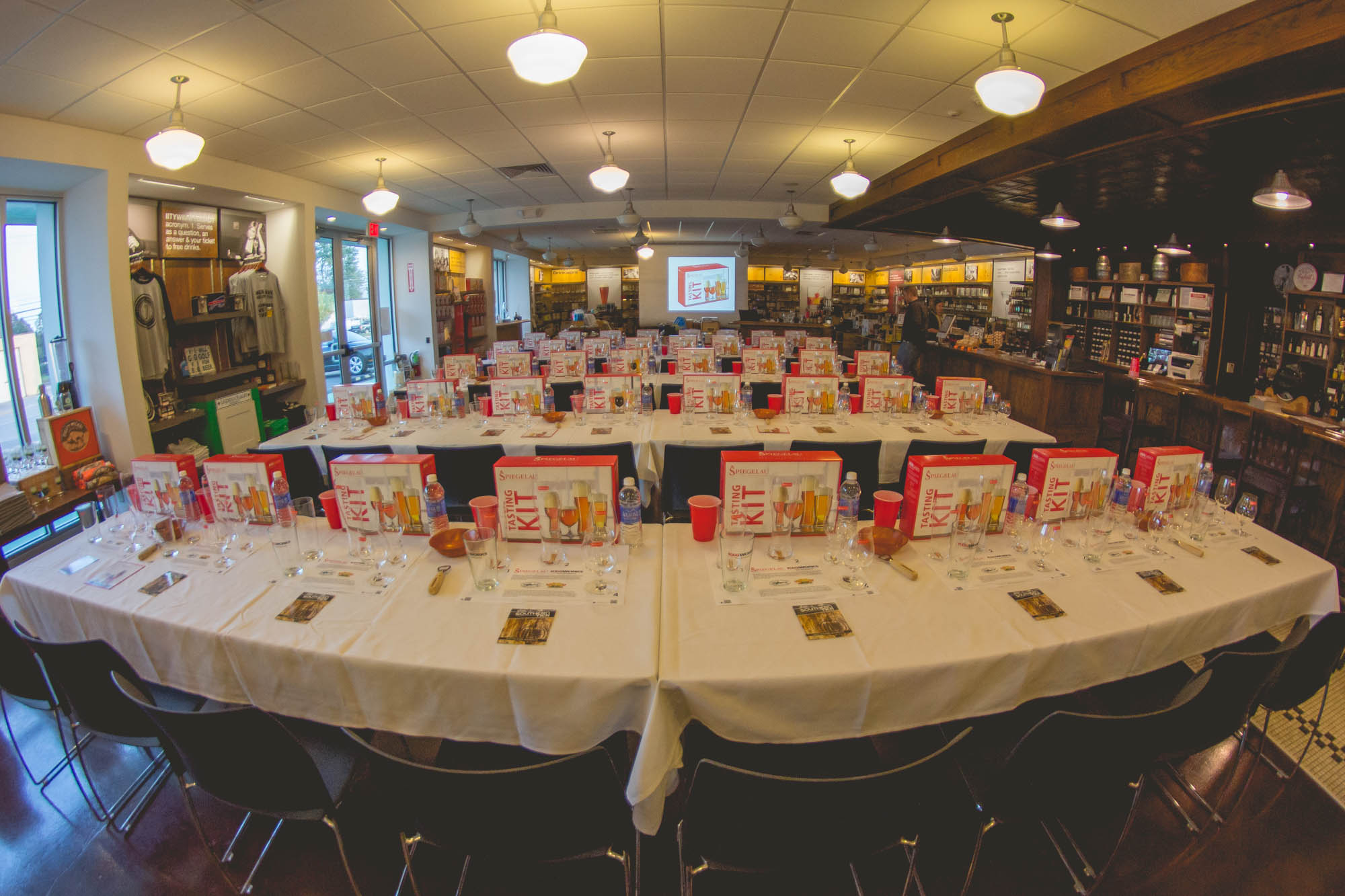
We’ve broken the beer tasting process down into seven major steps – pour, look, swirl, smell, drink, taste, and reflect. Read on to learn about each.
1. Pour
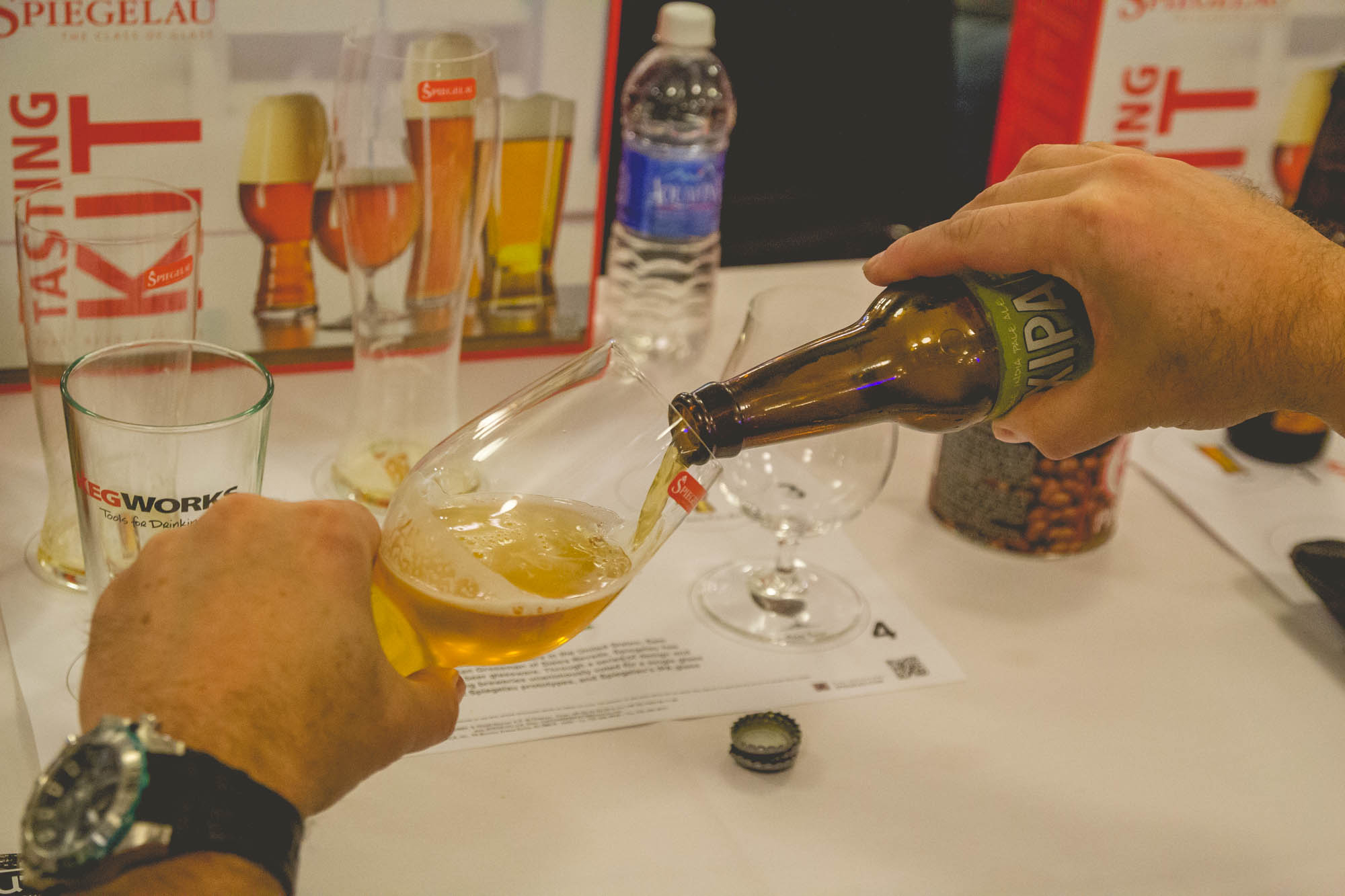
Whether you’re drinking canned, bottled, or draft beer, it’s imperative that you pour it into a glass. While a standard pint glass will do the job, we really recommend choosing your glass based on the style of beer you’re drinking. If you’re unsure about what kind of glass to use, our Glassware Guide is a great resource.
2. Look
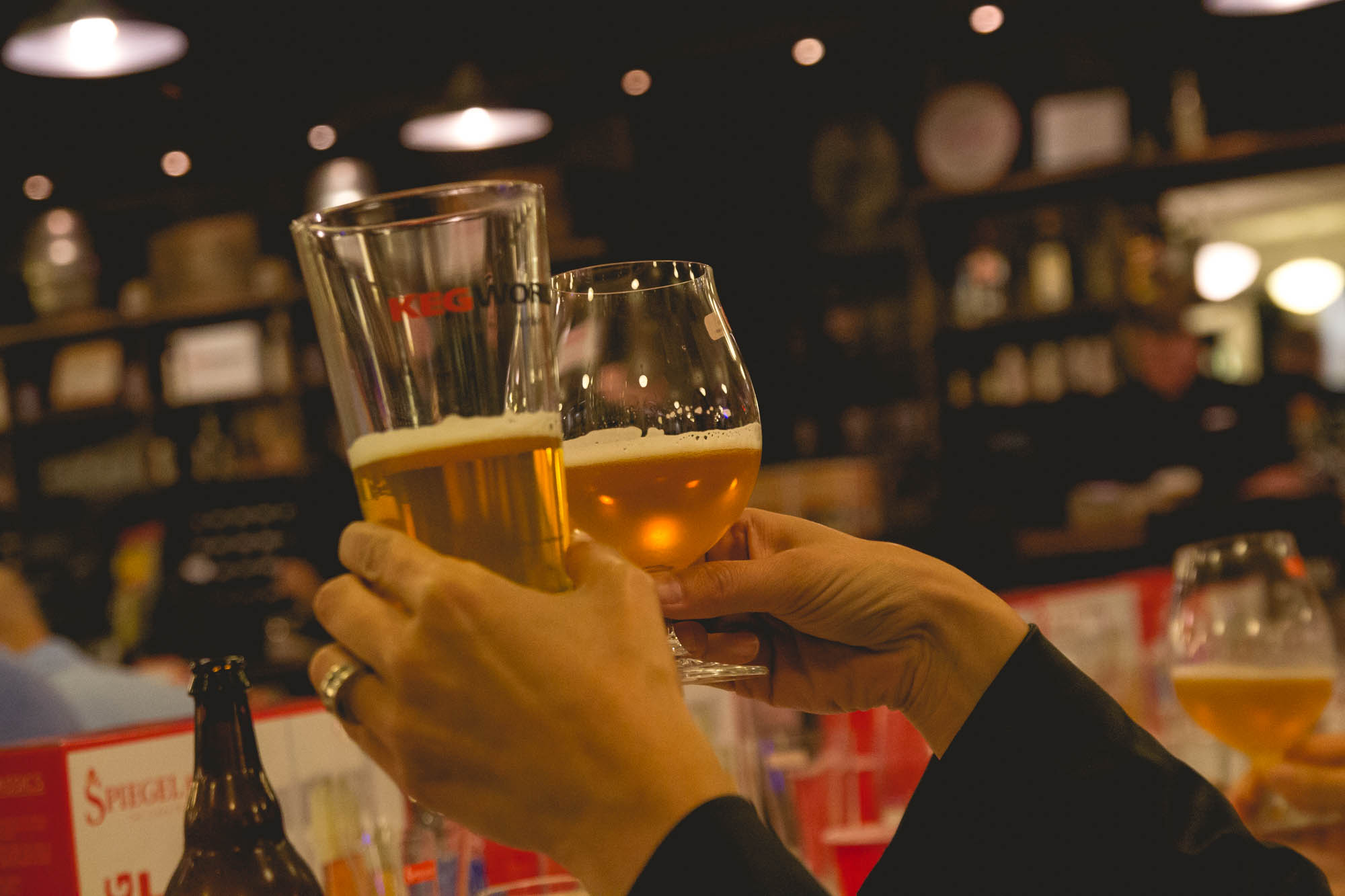
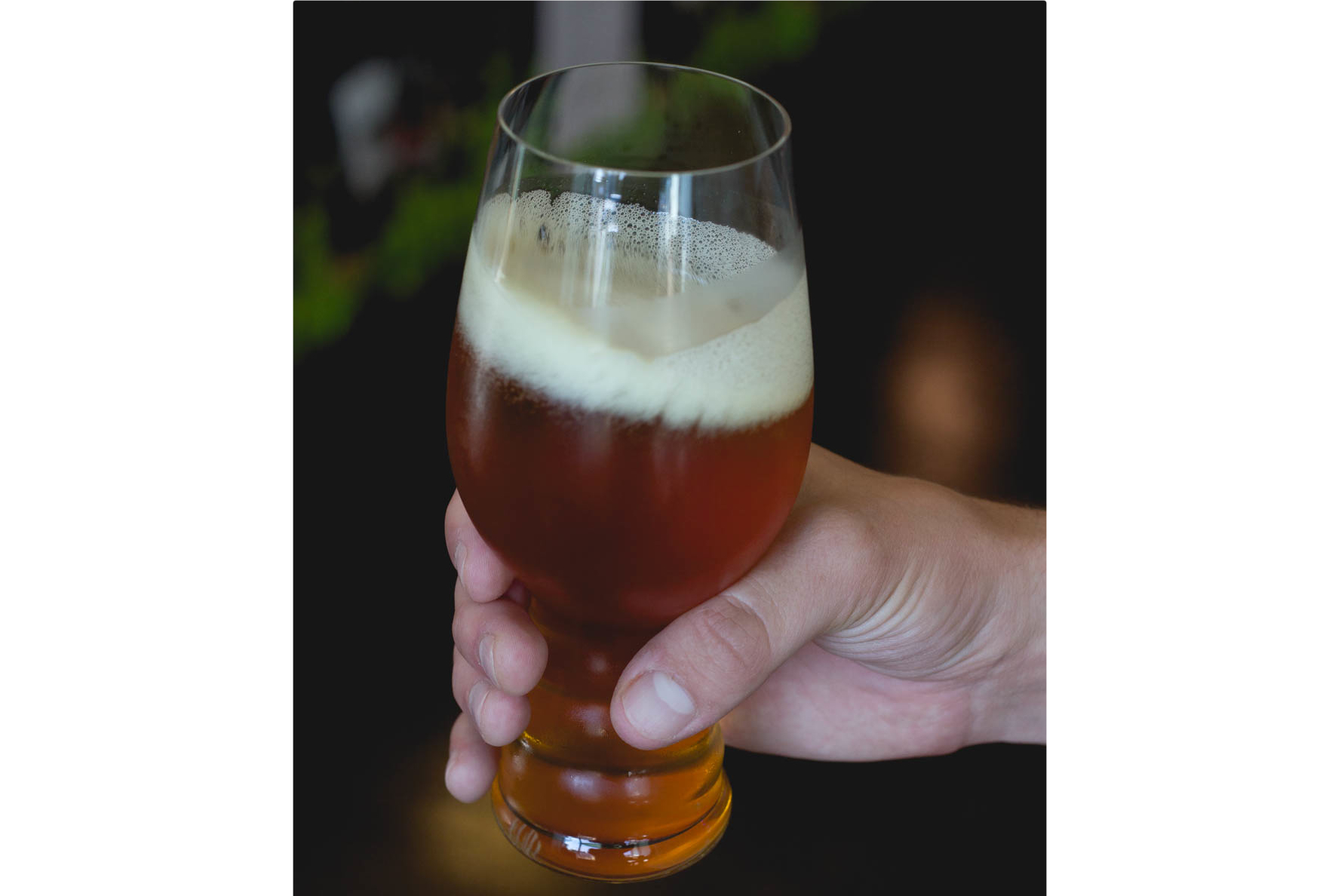
Once you’ve poured your beer, give it a good look. Note the color as well as the size and consistency of the head.
3. Swirl
Gently give the glass a swirl. Let the beer move around in the glass a bit. This will pull out all of the subtle aromas and nuances. It also tests head retention.
4. Smell
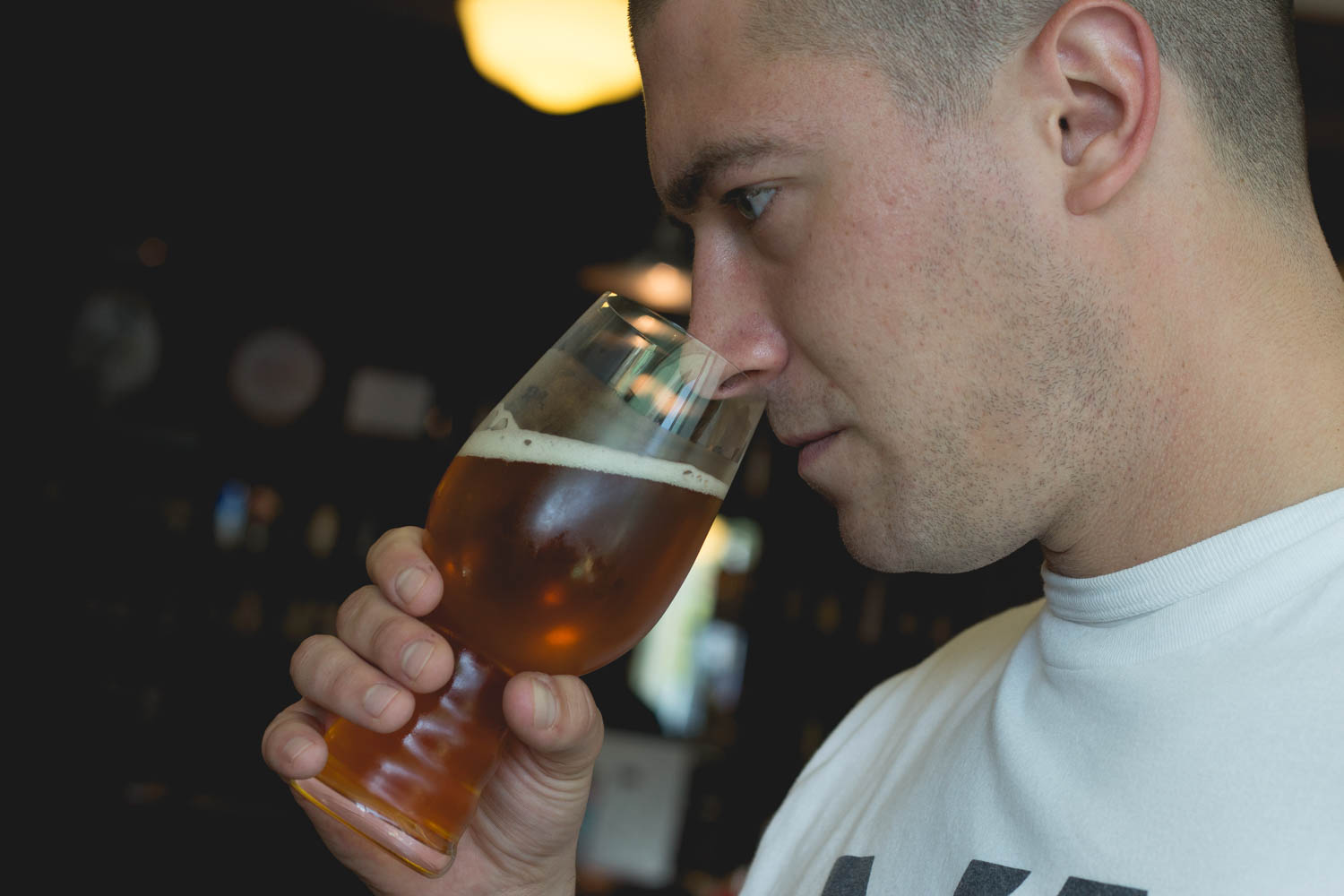
Right after the swirl, take two sharp, quick sniffs of the bouquet, then take a normal sniff. Take one last sniff with your mouth open. Make sure you’re in an area without any extraneous, overpowering odors, as that will affect the experience. Take in all of the aromas. Note those that are strong, weak, not strong enough, etc. Try to articulate what you’re experiencing.
5. Drink
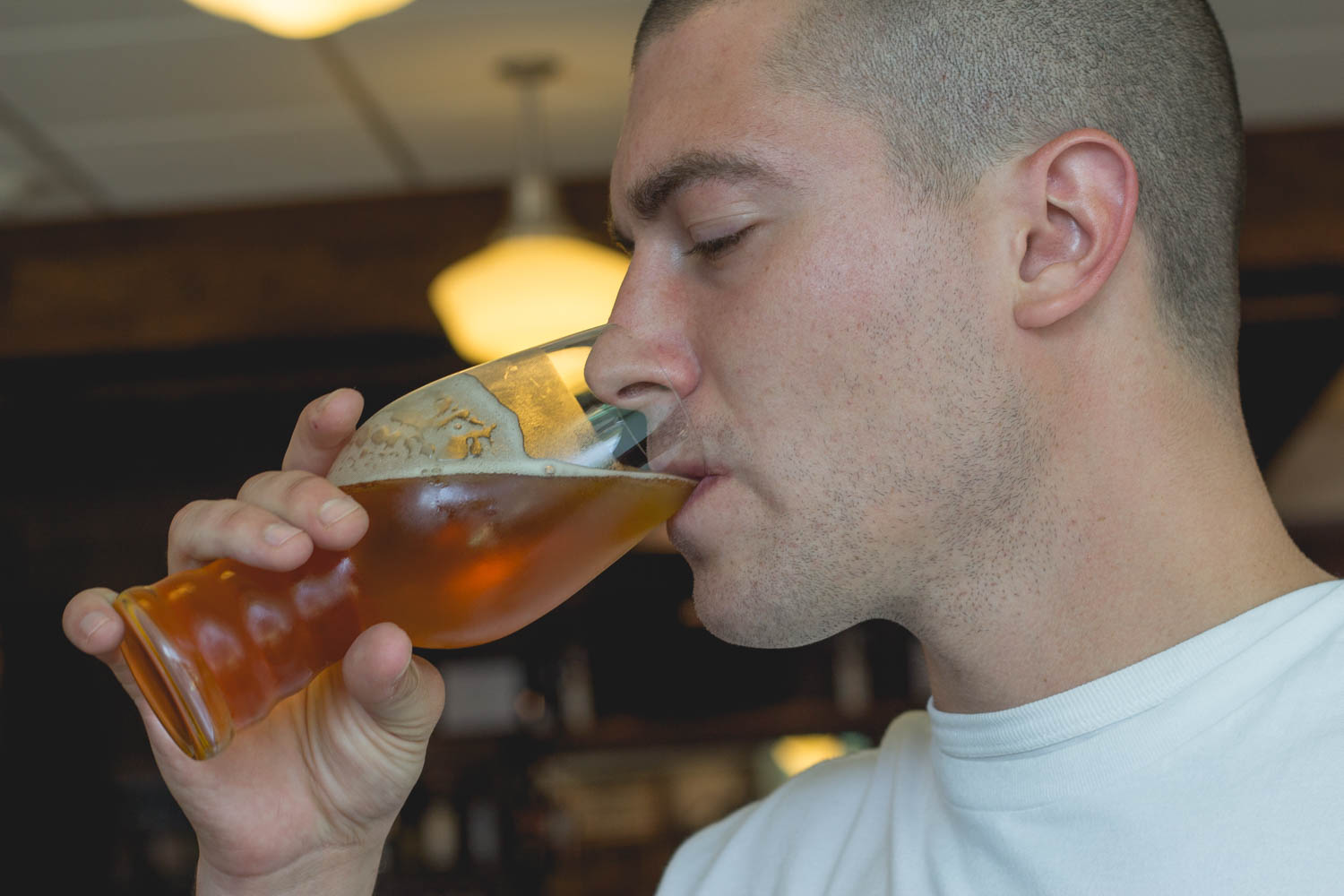
Now, the moment you’ve been waiting for. Doesn’t it taste better when you’ve waited a bit? You had a number of teasers, and now you can indulge – just don’t go chugging it!
6. Taste
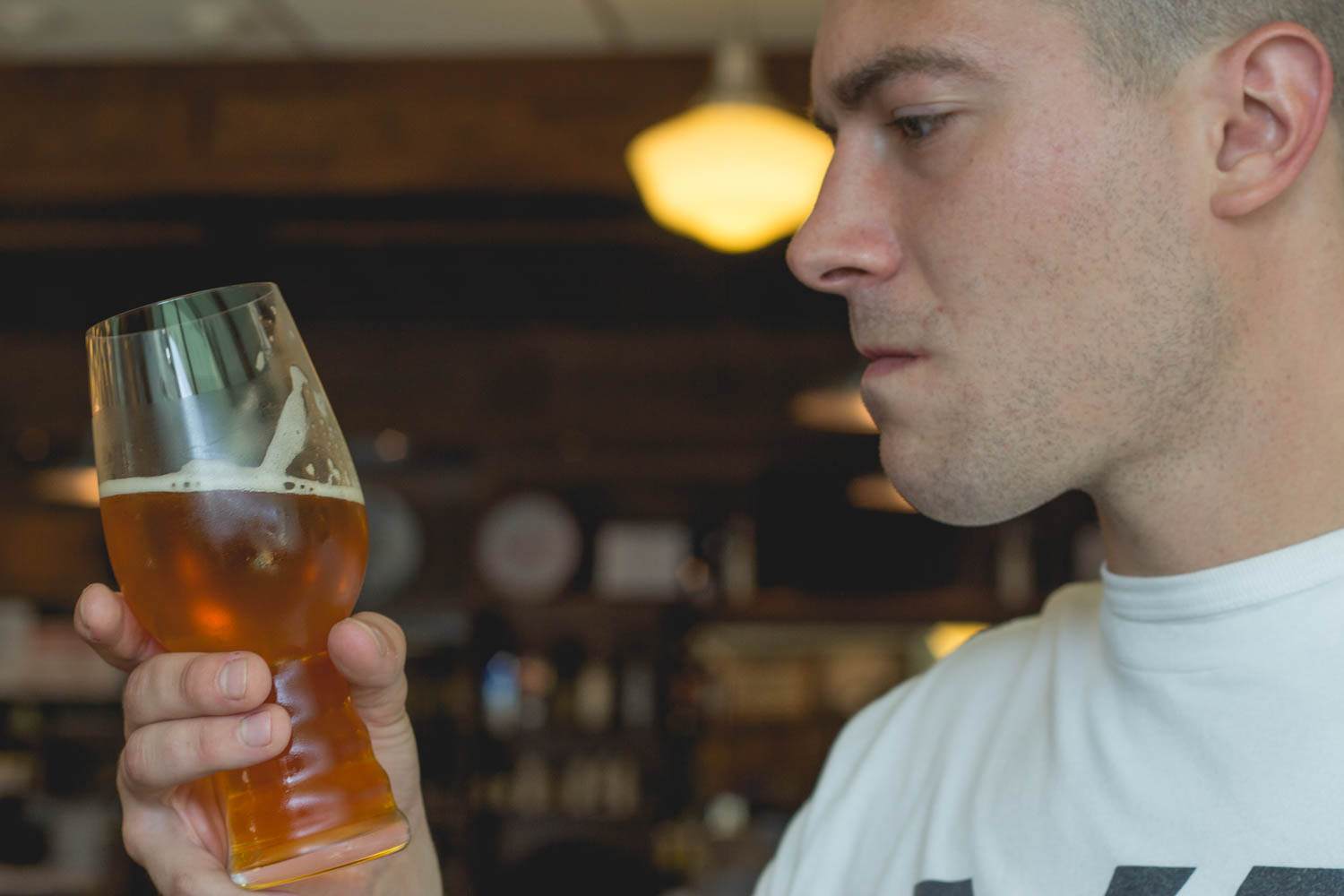
Take small sips and resist swallowing right away. Let the beer linger, coating your tongue and the top of your throat. Allow it to sit while you register the flavors. Exhale, releasing the air in your mouth through your nose, and swallow.
7. Reflect
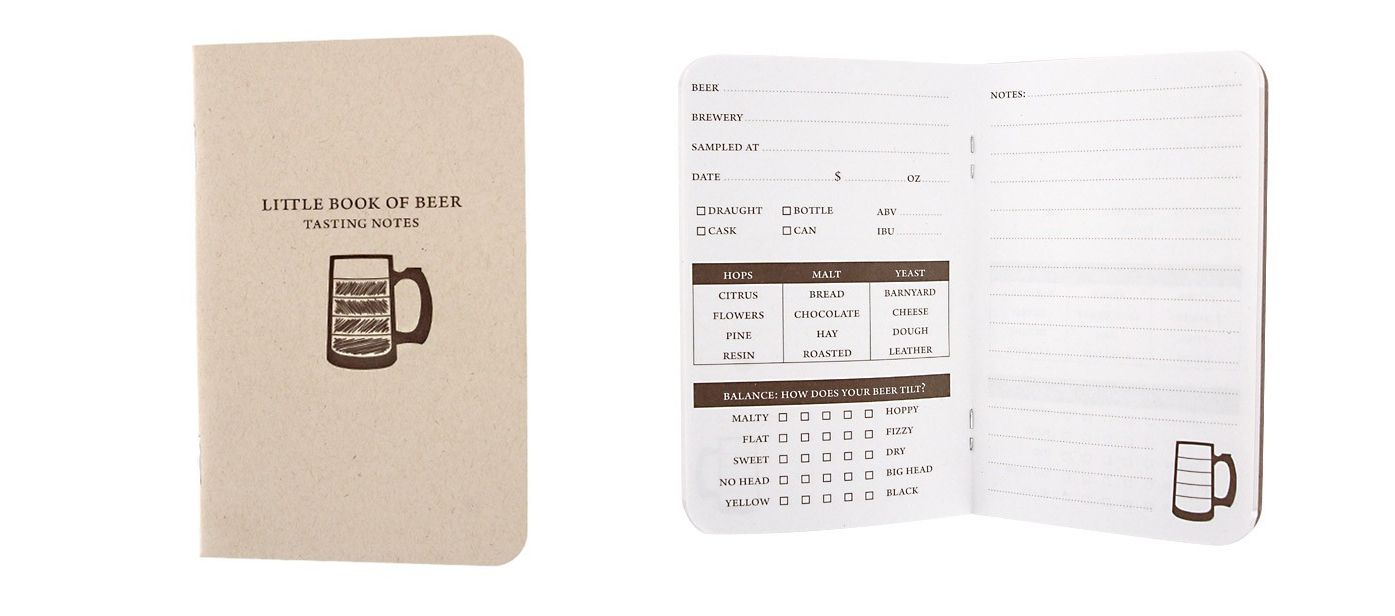
Get yourself a simple, blank journal, or grab something a beer tasting notebook.
Take notes, talk with a friend, or just sit and think about the experience. This will help you become a better taster, as you’ll become more effective in communicating your drinking experience. It will also improve any tastings you attend in the future, as you’ll soon develop a large bank of beers to compare and contrast with.
Tasting Lingo
In order to properly experience your beer and relay that experience to others, it’s helpful to understand tasting terminology. Below, you’ll find some of the most commonly used terms and phrases.
- Bouquet: The smells and aromas perceived in a beer. Some people use the words “aroma” and/or “nose” synonymously with “bouquet.”
- Balanced: A balanced beer is one that incorporates all of the main components in a manner where no single component stands out or overpowers another.
- Big: A “big” beer is one with a lot of flavor or alcohol.
- Chalky: The word “chalky” is used when a beer tastes powdery, dry, and/or dusty.
- Finish: Flavors left in your mouth immediately after swallowing.
- Head: The frothy foam on top of a beer produced by bubbles of gas (most commonly carbon dioxide).
- Lightstruck: A term referring to beer that’s had too much exposure to light, causing what many refer to as a “skunky” flavor.
- Mouthfeel: Just as it sounds, “mouthfeel” refers to the feel of a beer while in your mouth.
- Opulent: A rich, balanced beer with a nice texture and mouthfeel.
- Round: A balanced beer.
- Sessionable: A beer is referred to as “sessionable” when it has a low alcohol by volume (ABV), and a smooth flavor. It’s the kind of beer you can drink slowly over a period of several hours (a session) without getting drunk.
- Thin: Lacking in body, complexity, and/or flavor.
Tasting Hardware
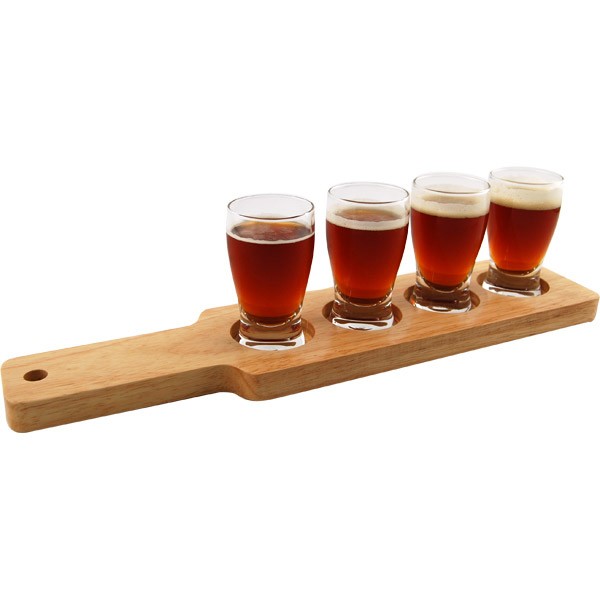
Beer Tasting Serving Set – Wood Paddle & Four Glasses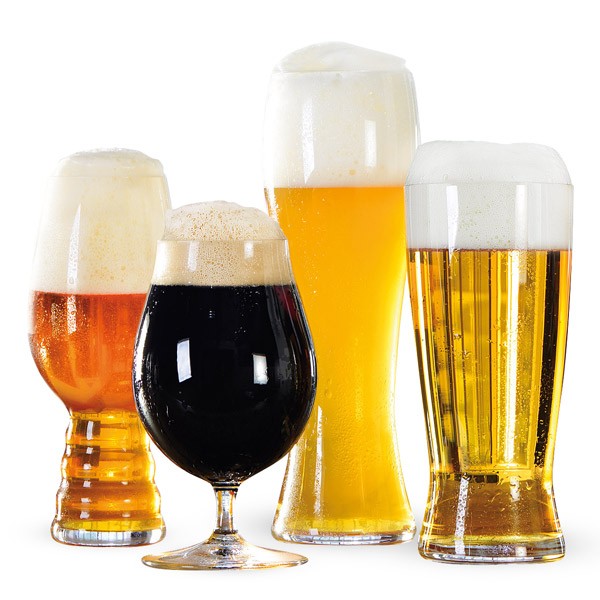
See more tasting tools and hardware here.
Tips & Tricks
- Pay Attention to Dates: When purchasing beer from your local store, take a look at “best before” and “bottled on” dates. If you’re at a bar, just ask the bartender. A beer over 90 days old could be getting funky. A month is (typically) the sweet spot.
- Cellar With Caution: If you’re aging or cellaring beers before tasting, make sure you’re storing them properly. Take a look at our Beer Cellaring Guide for a more comprehensive guide to aging beers properly.
- Try a lot of Beer: Practice makes perfect. The more beer you taste and reflect on, the better you’ll become. Sounds easy enough, right?
Now, go drink some beer!
Comments
More Topics
Related Posts
Fast Shipping
Quick Turnaround Times
Simple Returns
60-Day Return Policy
Secure Shopping
Through SSL Protection
Expert Support
Dedicated Sales Rep