
5 Bar Shelving Ideas Designers Use to Complete Hospitality Spaces
By Dave Buchanan | 11 February, 2026
architectural metalBehind every memorable bar is a series of thoughtful decisions—materials, proportions, finishes, and systems that quietly support the experience. Bar shelving is one of those details. Rarely the focal point, but always felt, it shapes how a space functions and how complete it feels.
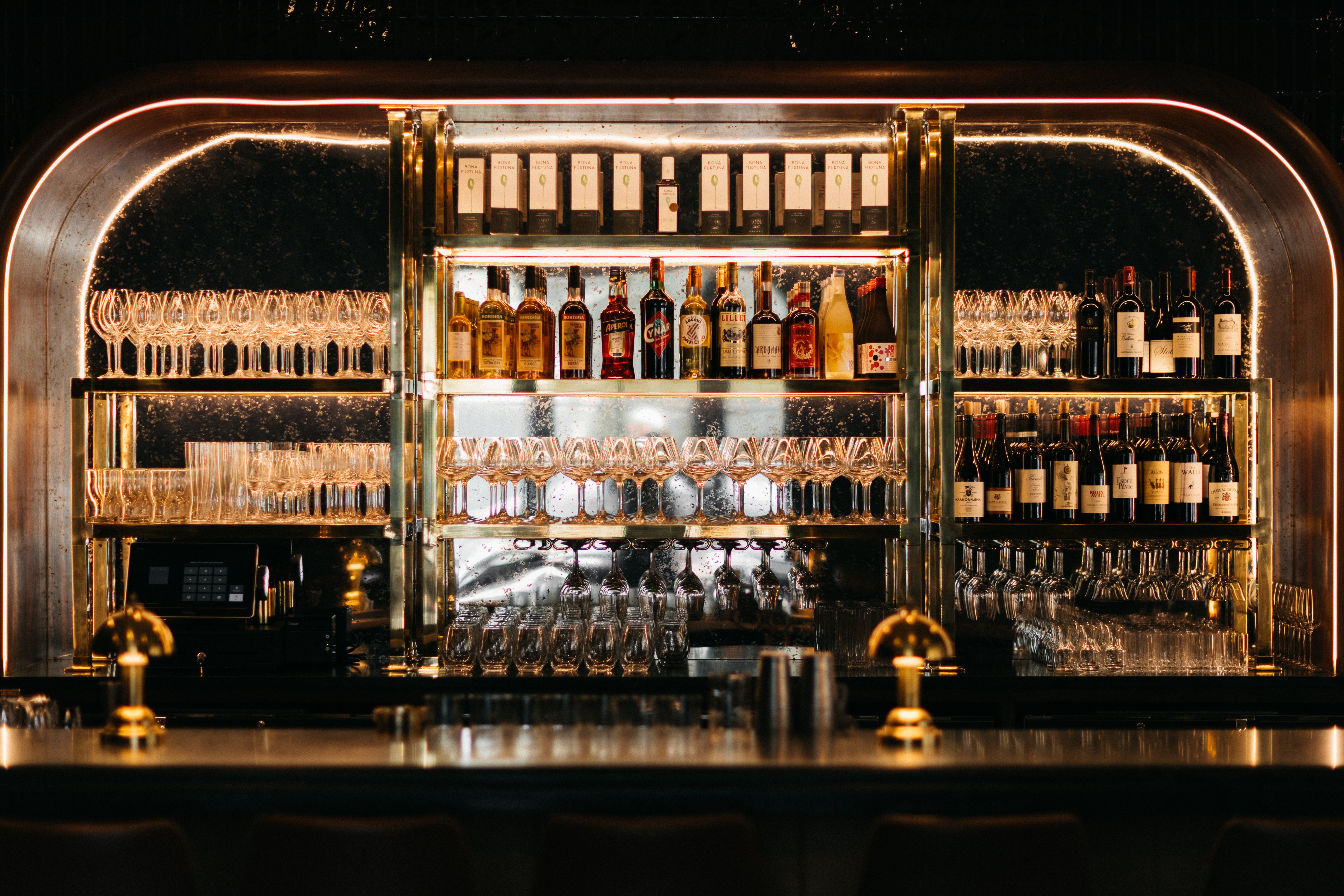
For architects and interior designers, shelving isn’t just storage. It’s structure. It’s rhythm. It’s a chance to reinforce a design vision through material consistency and intentional detailing.
The following shelving applications highlight how architectural metal systems, when thoughtfully selected, become integral to the story of a hospitality space.
Round Tube Shelving That Keeps the Bar Visually Light
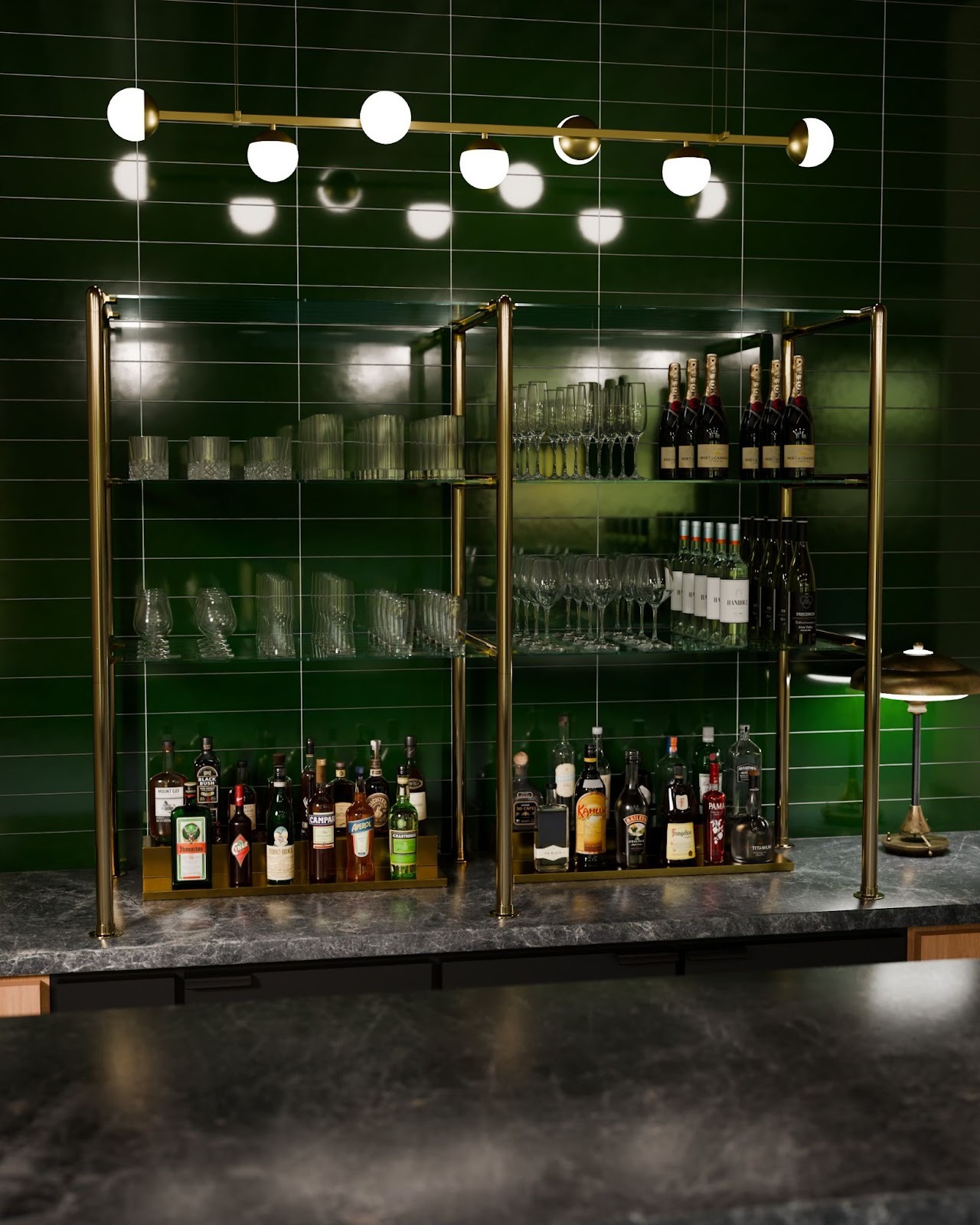
Round tube shelving offers a refined structural presence that feels intentional without dominating the space. Its softened profile works especially well in environments where color, texture, or tile play a leading role behind the bar.
By minimizing visual weight, round tube uprights allow shelving to frame glassware and bottles while keeping the backdrop fully visible. The result is a composition that feels balanced and open, even when fully stocked.
For designers, round tube shelving provides strength without bulk. It supports the demands of service while maintaining a clean, architectural rhythm.
Square Tube Shelving for Structured, Modern Back Bars
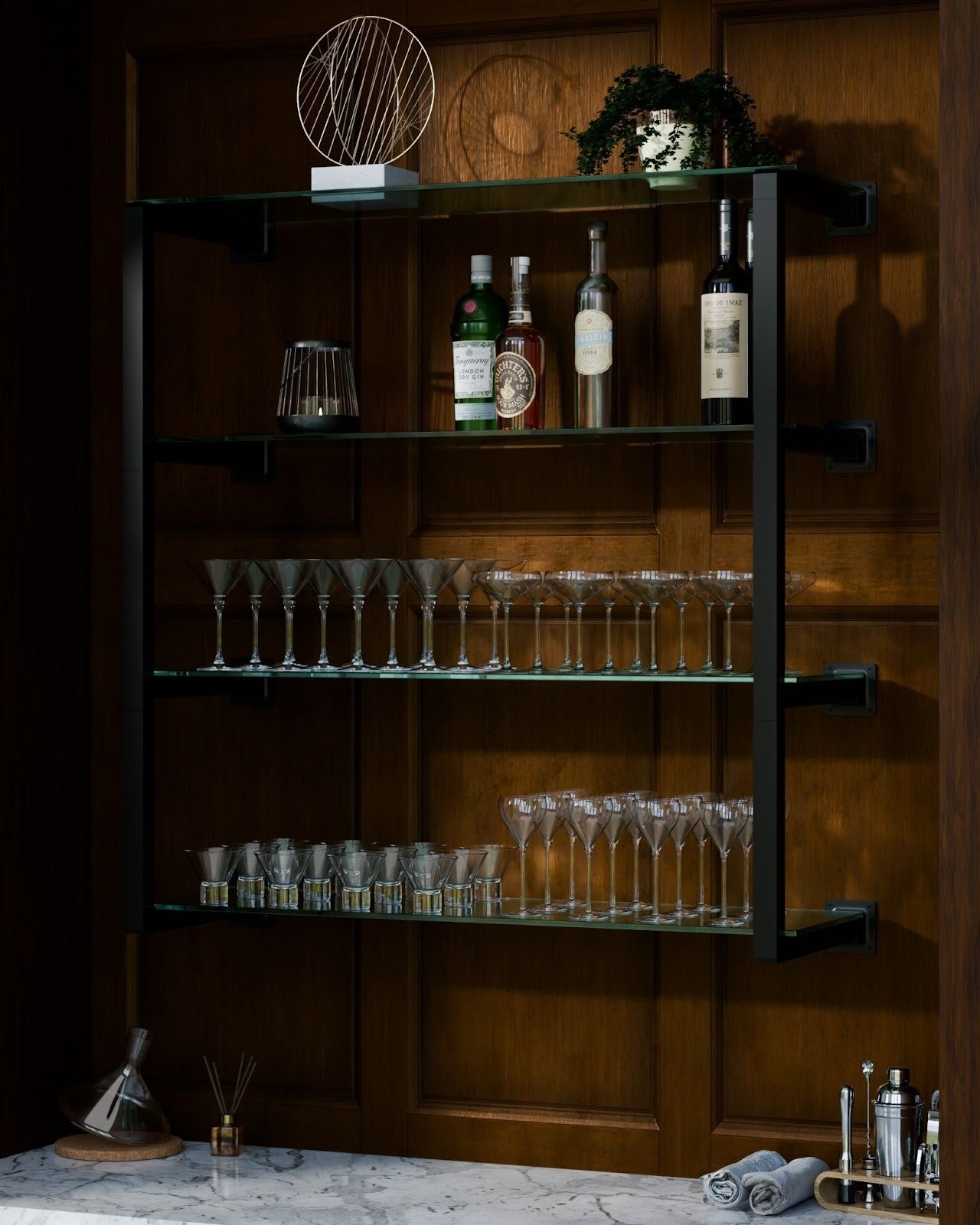
Where round tube softens a space, square tube shelving brings definition. Its crisp geometry aligns naturally with millwork, cabinetry, and linear architectural elements, making it a strong choice for modern hospitality interiors.
Square tube profiles establish a disciplined framework behind the bar—one that feels grounded and intentional. This structure helps organize the back bar visually, especially in larger installations where clarity and order matter.
Finish-matched square tube shelving allows designers to echo other metal elements throughout the space, reinforcing cohesion without repetition. The result is shelving that feels built into the architecture rather than layered on afterward.
Rod and Joint Shelving Systems Built for Custom Back Bars
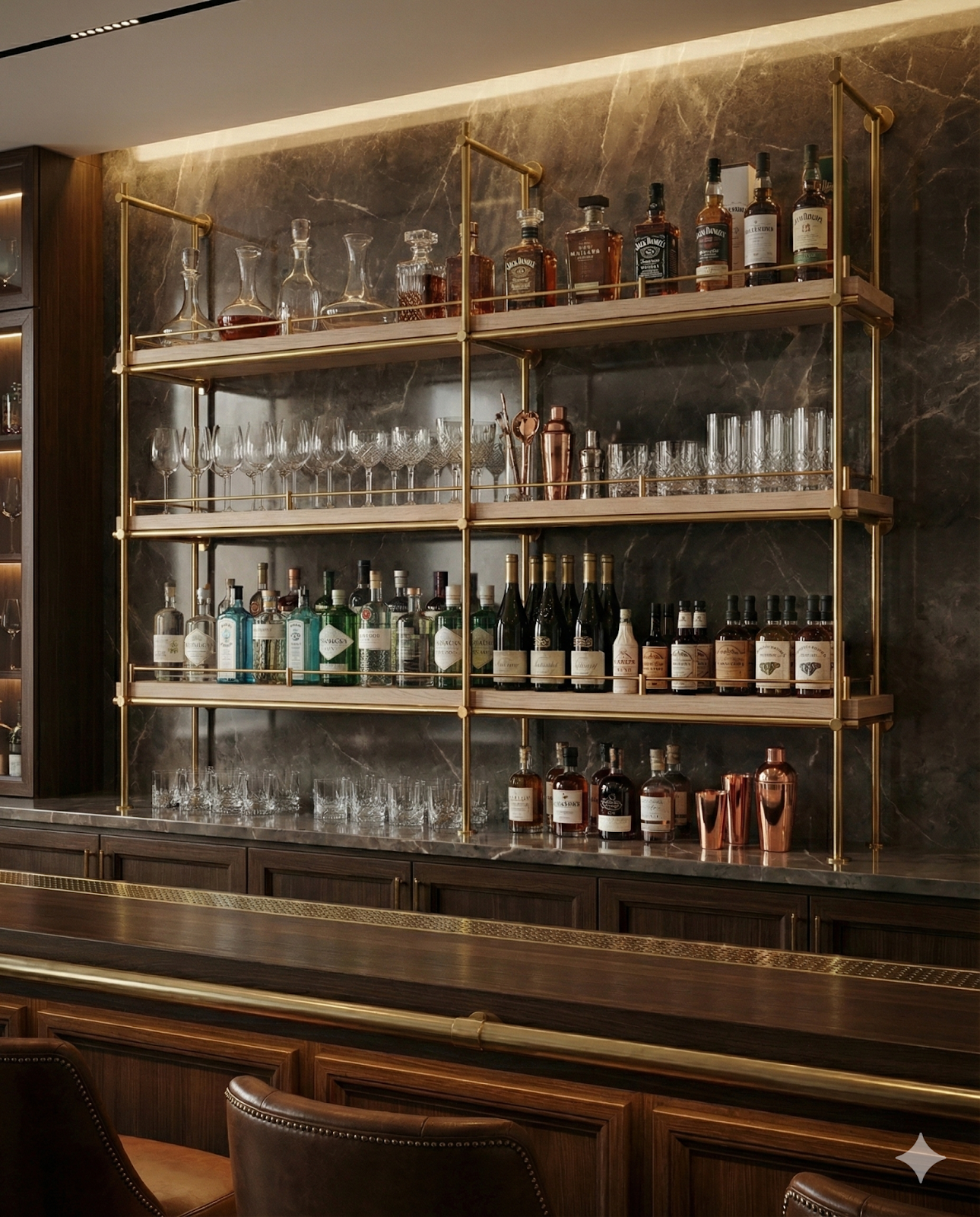
Rod and joint shelving systems introduce a modular approach to architectural metalwork. Designed for flexibility, these systems allow designers to create long runs, multi-bay configurations, and custom spacing while maintaining visual consistency throughout the bar.
The exposed connections become part of the design language, celebrating precision and craftsmanship rather than hiding them. This makes rod and joint systems particularly effective for feature back bars where shelving plays a more prominent role in the overall composition.
For hospitality environments that demand both scale and refinement, rod and joint shelving provides a solution that adapts to the space without sacrificing intention or finish continuity.
Brass Cantilever Shelving That Adds Structure to the Back Bar
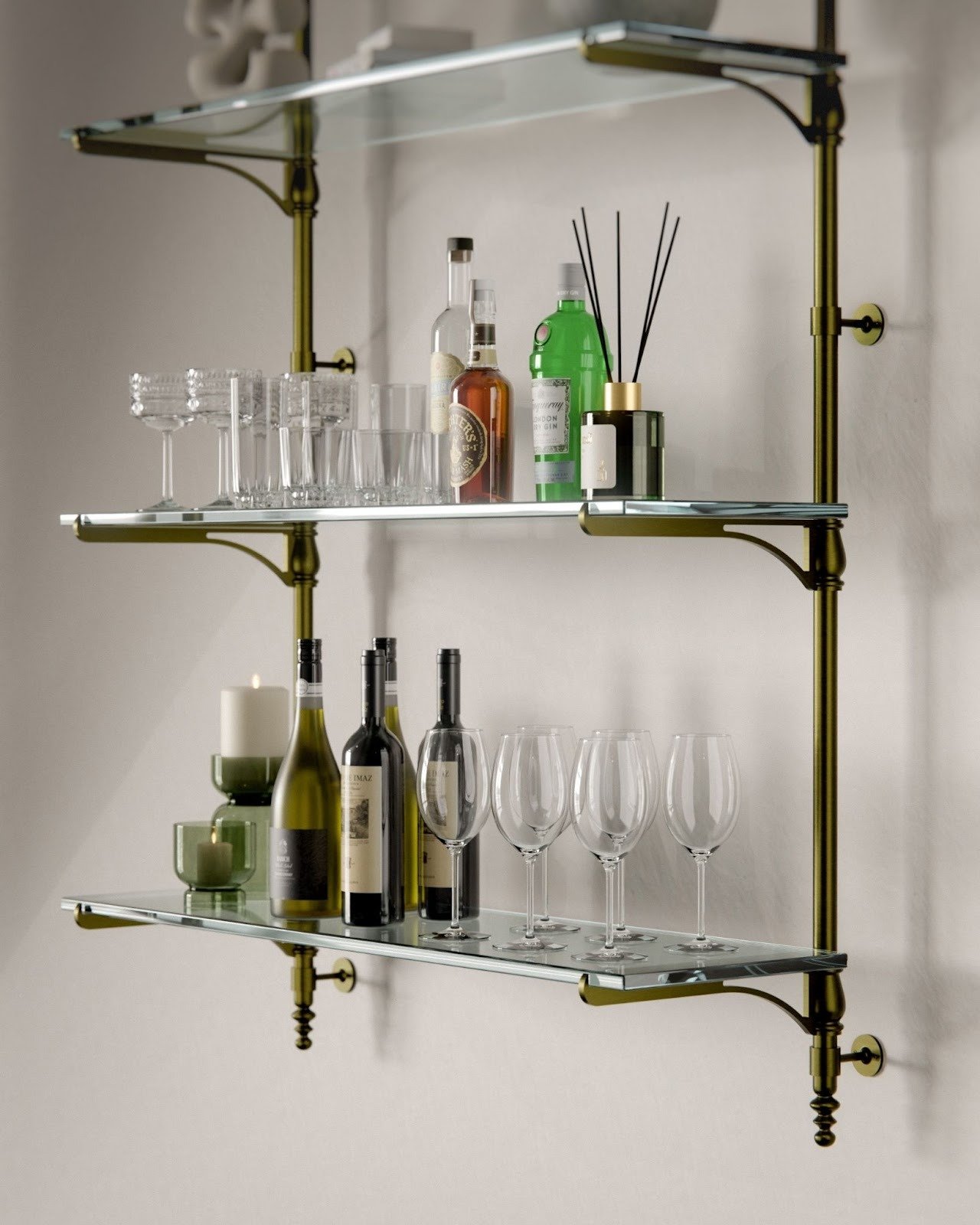
Brass cantilever shelving brings structure and definition to the back bar without overwhelming the space. Designed as a fully customizable system, it introduces a consistent architectural rhythm while maintaining an open, composed presence behind the bar.
Vertical brass posts and supportive brackets establish order across shelving runs, helping organize glassware and bottles while providing the strength required for hospitality environments. The refined geometry supports service needs while reinforcing proportion and alignment within the overall design.
Available in Brushed Brass and Antique Brass, this shelving system can be finish-matched to surrounding metal details, supporting material continuity throughout the space. More than a functional element, cantilever shelving contributes to the bar’s architectural identity, quietly shaping the space's experience.
Integrated Tipping Rails: The Detail That Finishes the System
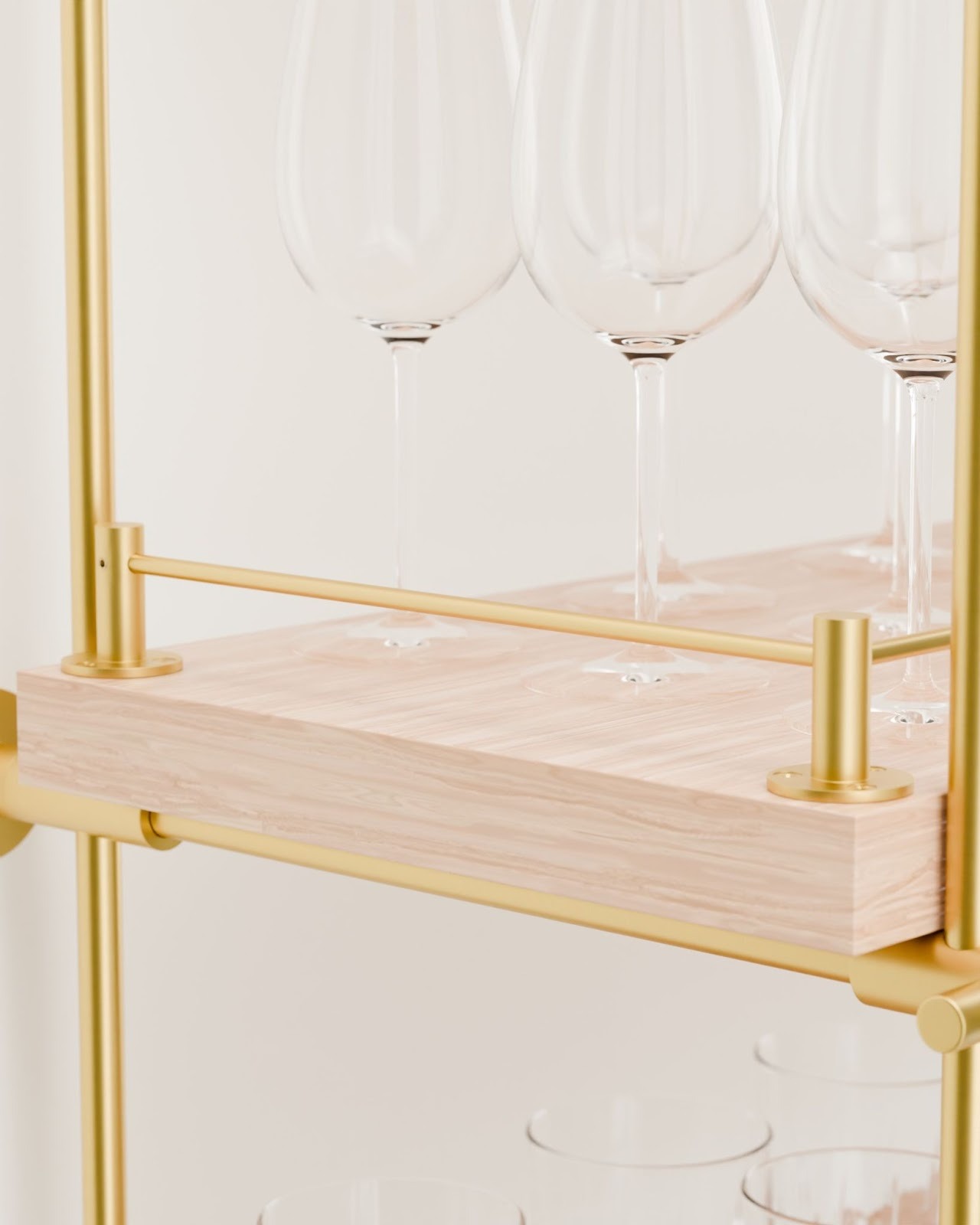
A tipping rail is rarely noticed, but it’s always felt.
Integrated into bar shelving, tipping rails, prevent glassware from creeping forward, reduce breakage, and help keep service running smoothly. When thoughtfully designed, they become part of the shelf’s visual language rather than an added-on accessory.
Finish-matched metal tipping rails, also known as gallery rail, add a subtle layer of function without disrupting the overall composition. They protect glassware, support service, and quietly reinforce the idea that every detail has been considered.
In hospitality design, it’s often these small, practical elements that separate a bar that looks complete from one that truly feels complete.
Designing with Intention, Down to the Details
Bar shelving works best when it’s designed alongside the bar itself—not added as an afterthought. When metal profiles, proportions, and finishes are considered early, shelving becomes a cohesive part of the space rather than a standalone feature. Thoughtfully crafted systems support the flow of service, reinforce material stories, and bring a sense of resolution to hospitality interiors.
These are the details that define the experience—quietly, confidently, and by design.
Ready to apply these ideas to your next project?
Use our Shelving Visualizer to explore our shelving styles and better understand pricing, or request a project quote to collaborate with our team on a system tailored to your space and design intent.
Comments
More Topics
Related Posts
Fast Shipping
Quick Turnaround Times
Simple Returns
60-Day Return Policy
Secure Shopping
Through SSL Protection
Expert Support
Dedicated Sales Rep